Xilnex Retail System: Strategic Evaluation for Multi‑Branch Retail Operations

Xilnex Retail, positioned as a retail POS and inventory platform, supports frontline operations effectively but shows architectural limitations when deep warehouse orchestration becomes critical.
Introduction
Deciding on core operational systems in retail requires more than a comparison of features; it requires evaluating how well a platform’s architecture aligns with both present operational demands and future complexity. Xilnex Retail has gained adoption among Southeast Asian and Malaysian retail chains primarily as a retail POS system, where its core value lies in transaction reliability and baseline inventory coordination. A point‑of‑sale (POS) system — the digital interface for sales and transaction recording — is central to any modern retailer, and platforms like Xilnex aim to combine this with basic inventory and multi‑store visibility. 【Resources Links】
Yet as retail businesses scale, operational complexity in stock movement, multiple store synchronization, and logistics coordination begins to expose structural trade‑offs. This analysis articulates where Xilnex Retail fits along the growth curve and how architectural limitations influence decisions for retailers with increasingly sophisticated fulfillment demands.
The Market Position of Xilnex Retail in Retail Technology
Retail POS Systems: The Category Context
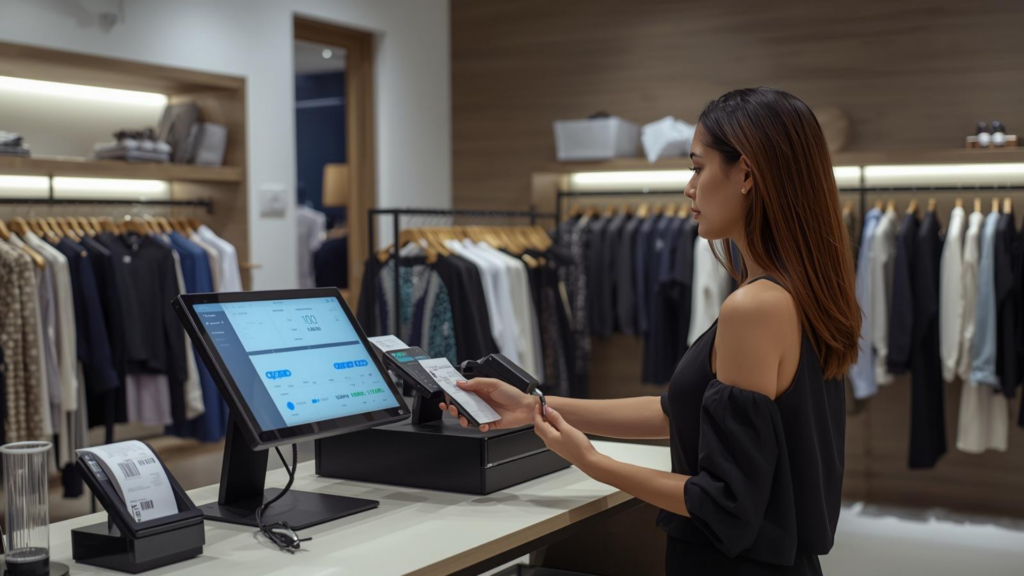
At its core, a retail POS system integrates transaction processing with inventory and customer data, allowing stores to run barcodes, accept payments, and update stock levels in real time. 【Resources Links】 Platforms in this category emphasize ease of use, speed of checkout, and basic stock visibility — precisely the problem domain that Xilnex Retail addresses.【Xilnex】
Within that framing, Xilnex sits alongside other multi‑store POS offerings that provide centralized dashboards for inventory, pricing, and sales analytics. 【Resources Links】
The distinguishing factor among such systems typically lies in how deeply they embed inventory control, inter‑store stock transfers, and cross‑location analytics into the platform ecosystem.
Operational Focus Versus Network Depth
Most POS‑driven retail systems assume a network model where stock flows predominantly between stores rather than from centralized distribution hubs — this reflects the architecture of many early‑stage retail expansion models. 【Resources Links】
In such models:
Inventory is tracked at the store level.
Stock movements are initiated based on sales depletion.
Multi‑branch reporting happens through consolidated dashboards.
As a result, Xilnex Retail often aligns well with boutique retail chains, specialty stores, and outlets where warehouse operations are either non‑existent or function as extended storerooms rather than sophisticated logistics centers.
Architecture Design: Strengths of Retail‑Centric Systems
1. Store‑First Operational Optimization
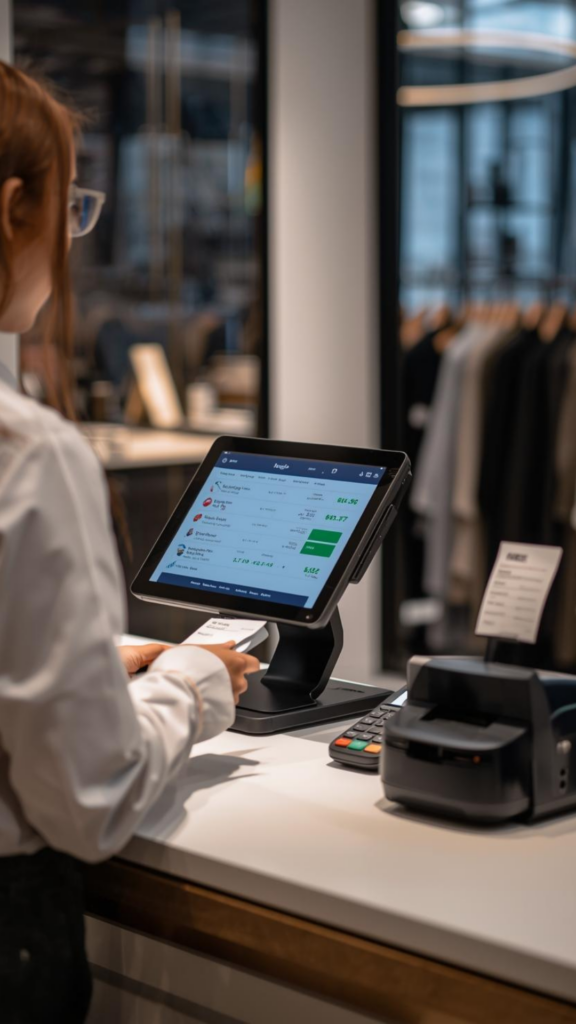
Retail POS platforms like Xilnex optimize key transactional workflows — barcode scanning, pricing, payments, and basic loyalty programs — which are critical to daily retail operations. A POS platform’s bread‑and‑butter role is enabling rapid transactional throughput while minimizing errors and data latency. 【Resources Links】
In architectural terms, this means the system is engineered for:
Minimal transaction latency
Local device resiliency (e.g., offline support)
Transaction log integrity and reconciliation
This makes them exceptionally reliable at the point where revenue events occur.
2. Centralized Multi‑Branch Retail Control

Centralized control — unifying pricing, promotions, and reporting across stores — is a hallmark capability of multi‑store POS systems like Xilnex. 【Resources Links】
That shared control includes:
Store‑wide price list propagation
Unified customer profiles
Consolidated sales analytics
This multi‑store orientation enhances operational visibility but tends to treat inventory control as a derivative function of sales rather than a logistics discipline.
3. Integrated Retail Inventory Tracking
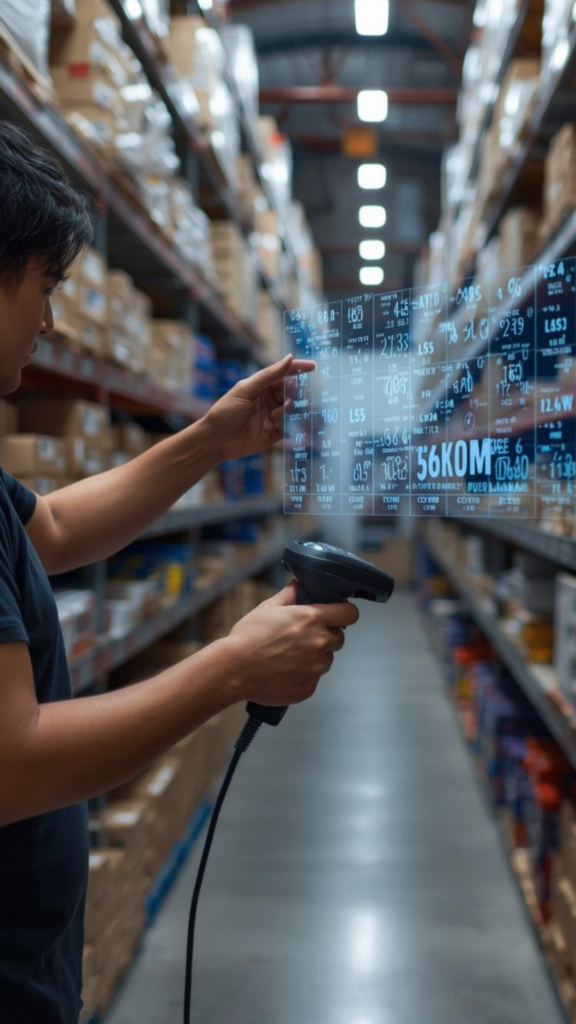
Systems like Xilnex extend POS capabilities into retail inventory by updating stock levels during sales and transfers. This results in real‑time stock visibility across connected storefronts. 【Resources Links】
In effect, such systems:
Flag low stock levels across outlets
Automate basic inter‑store transfers
Provide aggregated stock visibility
However, the level of detail tracked (e.g., SKU counts at the store level) differs fundamentally from the type of inventory intelligence required for warehouse fulfillment.
Structural Limitations of Retail‑Focused Inventory Models
When retailers evolve beyond basic multi‑store inventory tasks, certain architectural constraints begin to surface.
1. Warehouse Workflow Visibility
Retail POS systems typically model warehouses as static inventory buckets. While they may record stock levels or transfers, they lack dedicated workflow engines for inbound receiving, picking, packing, and dispatch. In contrast, a Warehouse Management System (WMS) optimizes movement at the distribution layer, orchestrating work rules and space utilization within a warehouse facility. 【Resources Links】This delineation signals a fundamental architectural divergence:
- POS systems manage stock as a bookkeeping function connected to sales.
- WMS platforms manage stock as an operational workflow orchestrator.
2. Inventory Synchronization Across Operational Layers
Retail systems excel at reconciling transactional stock changes across stores, but they don’t inherently handle the dynamic flow of goods through distribution chains. Vendors like Salesforce articulate that POS systems provide foundational inventory visibility, yet do not substitute for end‑to‑end logistics coordination. 【Resources Links】
This distinction becomes especially relevant when centralized warehouses supply multiple retail points or when stock replenishment cycles involve lead times, forecasting, and batch tracking.
3. Operational Scalability for Logistics‑Heavy Businesses
As SKU counts, fulfillment complexity, and omni‑channel demand grow, the operational model required looks less like traditional retail sales support and more like structured logistics workflows. Warehouse systems bring capabilities — such as bin‑level tracking, task interleaving, and dock scheduling — that a retail POS architecture is not structured to support.
Growth Stages: When Retail Systems Begin to Stretch
Retailers often progress through distinct maturity phases that influence system expectations.
Systems like Xilnex Retail enable businesses to transition from manual processes to authenticated transactional processing and centralized reporting. For early growth, this single platform lowers operational friction and supports foundational inventory tracking.
As brands open additional outlets, centralized control of promotions, pricing, and inventory becomes essential. Multi‑store POS systems maintain consistency and help manage decentralized teams effectively.
When businesses introduce structured warehouses or fulfillment centers, the operational model shifts. Centralized warehouses require:
Receiving workflows
Slotting logic
Pick/pack/ship orchestration
These warehouse dimensions reflect logistics priorities not native to POS‑centric inventory tracking.
The Role of Warehouse Management Systems in Operational Evolution
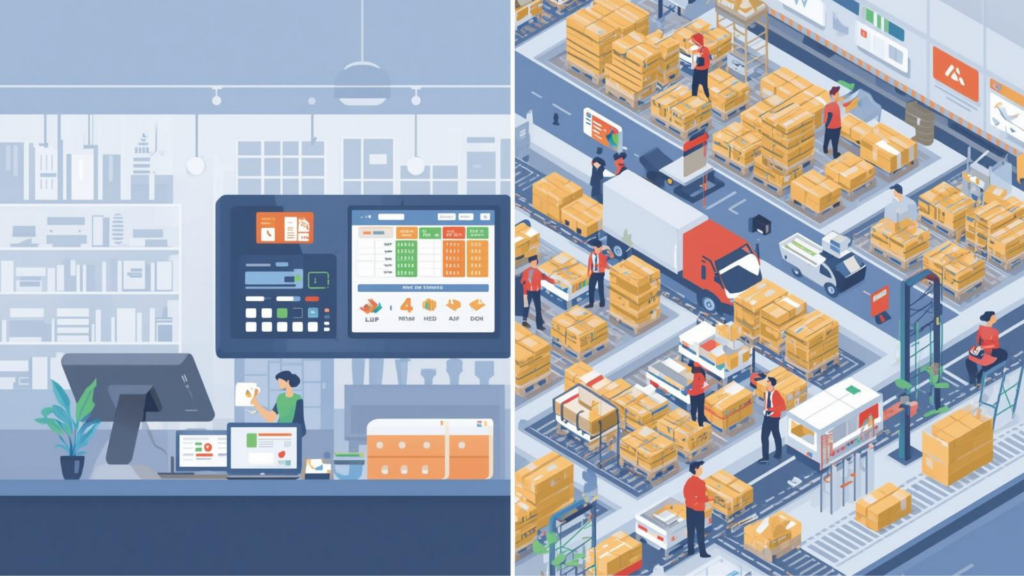
Warehouse systems are purpose‑built to optimize distribution workflows. According to established industry definitions, a WMS is designed to coordinate, record, and optimize internal warehouse operations — from arrival to outbound shipment. 【Resources Links】
When retailers enter distribution‑heavy phases, adding a dedicated WMS becomes less about replacing their retail POS and more about complementing it. This layered architecture typically looks like:
| Layer | Role |
|---|---|
|
Retail POS |
Frontline transactions and store‑level inventory visibility |
|
Warehouse Management |
Fulfillment orchestration, complex picking, and space optimization |
|
Integration Layer |
Inventory and order synchronization between systems |
Platforms like PayRecon WMS represent mature warehouse management ecosystems that retailers may evaluate when logistics complexity outpaces the inventory capabilities of a retail POS. Their role lies in orchestrating logistic workflows that go beyond simple stock counts and inter‑store transfers.
Strategic Considerations for Retail Technology Planning
As retailers evaluate systems such as Xilnex Retail, strategic architectural considerations take precedence over checklist feature comparisons. Key questions often include:
Does the operational model require structured warehouse workflows?
What level of inventory detail and reconciliation is required across channels?
Can the chosen platform integrate with complementary systems (e.g., WMS, e‑commerce, ERPs)?
Answering these questions shapes the long‑term infrastructure — and often leads organizations to adopt layered systems rather than expecting one platform to serve every functional domain.
Conclusion
Xilnex Retail plays a strategic role for retail operations in early and intermediate growth phases, offering reliable POS performance, multi‑store coordination, and baseline inventory tracking. Yet, as operational complexity evolves — particularly when stock fulfillment becomes distributive rather than purely retail‑driven — architectural limitations of retail‑centric inventory models emerge.
At that point, organizations often expand their technology stack, layering dedicated warehouse systems like PayRecon WMS alongside retail platforms. Such an evolution preserves the strengths of Xilnex Retail at the front end while addressing deeper logistic orchestration, visibility, and workflow control at the distribution layer.
Understanding these structural trade‑offs — and planning for architectural maturation over time — is critical for retailers aiming to balance operational predictability with growth‑driven scalability.