






How to Optimize SAP Warehouse Logistics for Growing SMEs
In modern warehouse operations, the sap warehouse logistics system is widely used by enterprises to manage complex warehouse operations, integrate inventory with broader business processes, and ensure supply chain visibility. This guide explains its capabilities and why SMEs often explore purpose-built alternatives like PayRecon WMS.
Introduction
Businesses adopting the sap warehouse logistics system usually aim to streamline inventory management, order fulfillment, and warehouse operations within an integrated enterprise environment. SAP connects warehouse processes with procurement, sales, and financial systems, creating centralized operational control that is well suited for large-scale organizations.
At first, for SMEs in Malaysia and Southeast Asia, the sap warehouse logistics system may appear comprehensive. It offers modules for inventory tracking, storage management, and stock movements while maintaining integration with broader enterprise planning systems, creating the perception of a complete warehouse management solution.
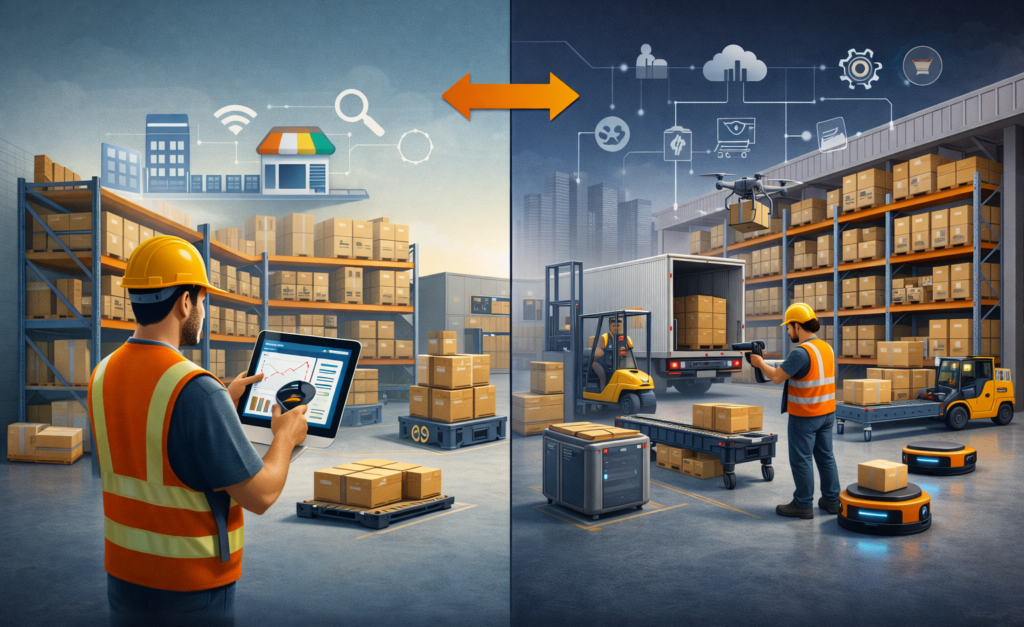
However, many SMEs eventually realize that SAP’s architecture is designed for complex enterprise environments rather than smaller warehouse operations. The system often requires extensive configuration and specialized expertise. As a result, businesses frequently evaluate alternatives such as PayRecon WMS, which focuses on practical warehouse control, real-time inventory tracking, and efficient workflows for growing SME warehouses.
Core Capabilities of SAP Warehouse Logistics
In addition, the SAP Warehouse Logistics system provides a comprehensive suite of tools to manage complex warehouse operations efficiently. It integrates inventory management with broader business processes, enabling accurate tracking, operational visibility, and streamlined workflows. Therefore, large-scale warehouses can maintain stronger operational control while aligning warehouse activities with finance and supply chain management.
Key capabilities include:
Operational Challenges for SMEs
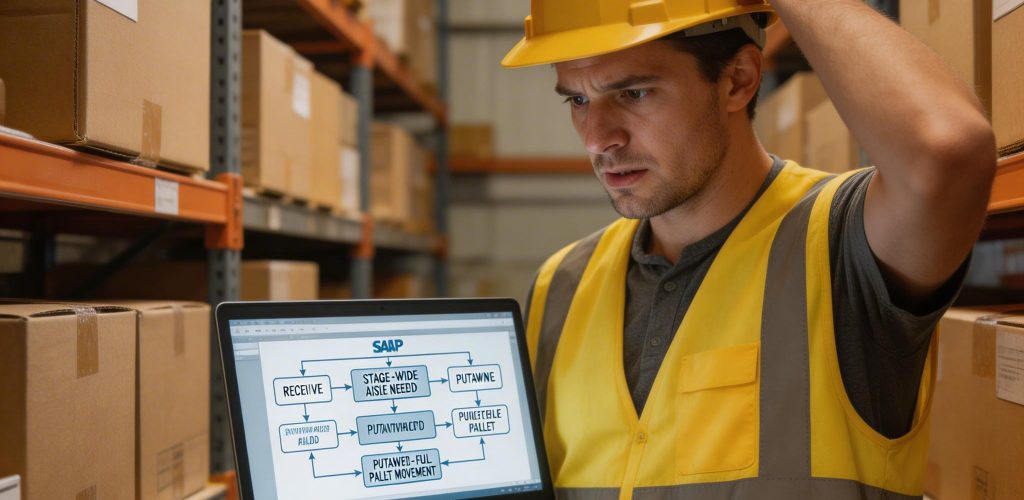
Although the sap warehouse logistics system offers powerful enterprise capabilities, SMEs often face operational challenges due to its large-scale architecture. Smaller warehouse teams typically require faster workflows, simpler system management, and immediate operational visibility. When these needs are not fully aligned with enterprise system structures, several practical challenges may emerge.
Complex system configuration
The platform is designed for large enterprises, requiring significant setup, customization, and technical expertise.
High operational overhead
Warehouse staff may find daily tasks such as picking, packing, and stock updates more complicated than necessary.
Workflow rigidityÂ
Adapting SAP processes to match smaller warehouse layouts or operational styles can be difficult without specialized support.
Training requirements
Employees often require additional training to navigate system workflows effectively.
Delayed operational visibility
Some reporting and stock updates rely on batch processing or integration layers, reducing real-time clarity.
Limited agility for small teams
SMEs that require quick operational adjustments may find enterprise-level systems slower to adapt.
Why SMEs Explore PayRecon WMS

Real-time stock updates
Inventory levels update instantly as warehouse activities occur.

Operational visibility
Managers can track warehouse activities and stock movement instantly.

Simplified workflow management
Warehouse tasks like picking, packing, and receiving follow clear, easy processes.
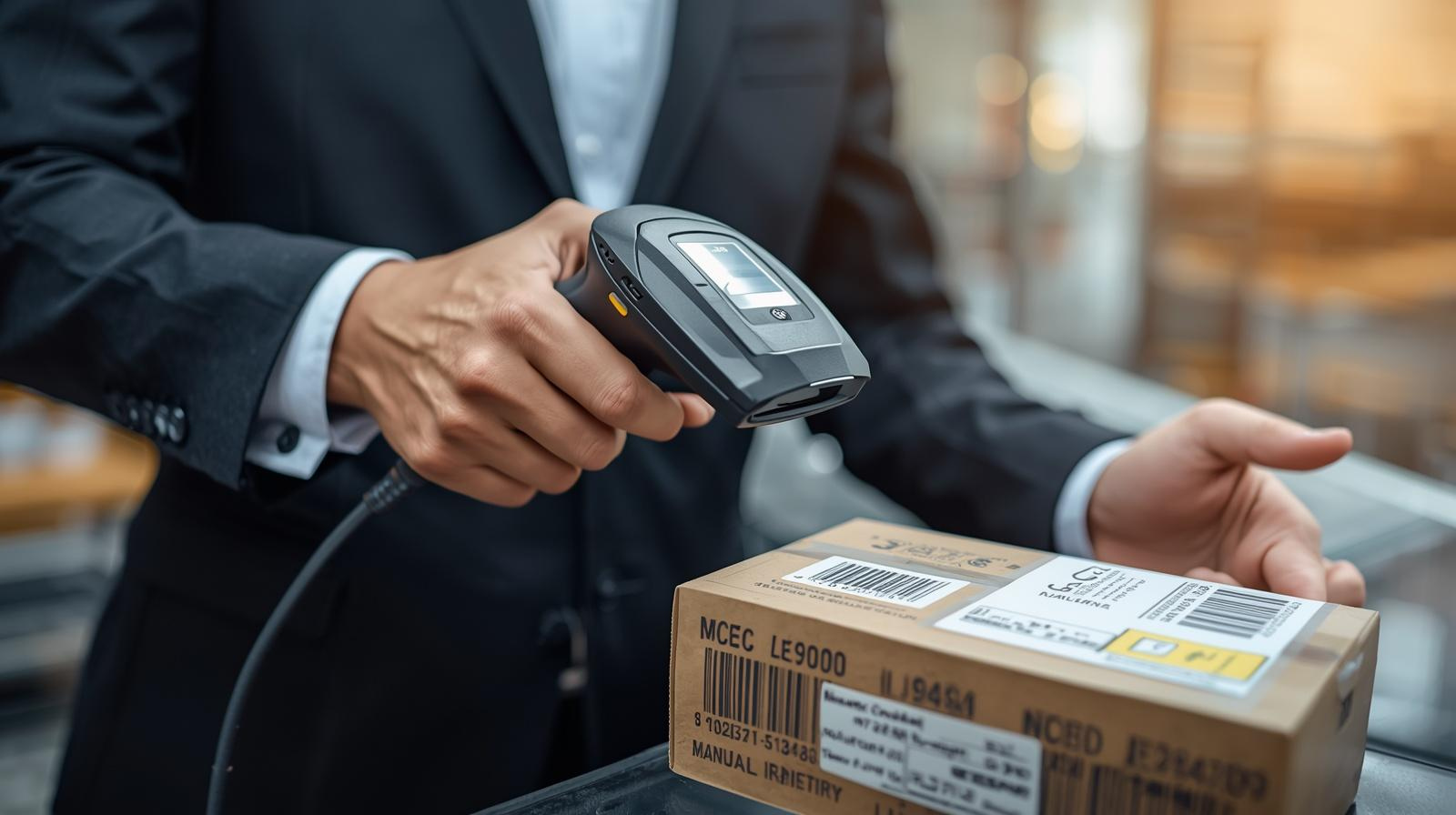
Barcode-based tracking
Scanning barcodes improves accuracy and reduces manual entry.

Location-based stock control
Inventory is organized by warehouse locations for easier storage and retrieval.

Reduced operational errors
Automated workflow assignments help minimize reconciliation mistakes.
Strategic Considerations
The sap warehouse logistics system is powerful for large enterprises, yet its scale and complexity often do not match SME warehouse realities. Smaller operations usually prioritize daily execution, inventory visibility, and fast workflows rather than deep ERP integration. Therefore, many businesses begin exploring purpose-built platforms such as PayRecon WMS that focus directly on warehouse operations.
As a result, companies can maintain accurate inventory, streamline picking and packing activities, and scale operations without heavy enterprise infrastructure. Over time, some organizations also adopt a dual-system structure where SAP continues supporting finance while PayRecon WMS manages real warehouse execution.
Conclusion
The sap warehouse logistics system remains a strong solution for large organizations managing complex supply chains and multi-distribution networks. However, SMEs often require systems that emphasize operational control rather than enterprise integration complexity.
Ultimately, strategic decisions should reflect operational scale. Enterprise platforms such as SAP perform well in large networks, while SME-focused solutions like PayRecon WMS provide clearer workflows, faster implementation, and practical warehouse management for growing businesses.