How can I reduce human errors in my warehouse picking process?

During high-volume e-commerce periods, even experienced warehouse teams report error rates between 2–5% per 1,000 picks, causing delays, lost revenue, and customer dissatisfaction. Understanding how to reduce warehouse picking errors sustainably is critical, as these mistakes rarely occur at random—they emerge from structural inefficiencies, misaligned incentives, and pressure-induced behavioral patterns that most managers overlook.
Optimizing warehouse accuracy requires more than training or checklists. While short-term improvements can cut error rates by 20–30%, the most effective strategies to reduce warehouse picking errors address workflow design, incentive alignment, and systemic error sources, integrating operational intelligence, process standardization, and selective technology investments.
Quick Summary: Reduce Warehouse Picking Errors
To reduce warehouse picking errors effectively:
- Standardize pick paths and bin locations to cut cognitive load.
- Align staff incentives with both speed and accuracy.
- Deploy scanning or validation technologies for high-risk SKUs.
- Use analytics to identify persistent error pattern.
These steps can lower typical error rates from 2–5% to under 1%, especially during peak demand periods.

Workflow Design and Cognitive Load: Reduce Warehouse Picking Errors
Picking errors often correlate with complex warehouse layouts and inconsistent SKU placements. Research shows that employees are 40% more likely to mispick when required to navigate non-intuitive bin sequences.
A structured approach—zoning high-turnover SKUs near packing stations and logically sequencing pick paths—reduces the mental burden and speeds up the picking process.
Combining this with clear labeling, visual cues, and standardized instructions minimizes human mistakes without heavy technology dependence.
Economic Incentives and Staff Behavior
Staff performance is highly sensitive to incentive structures. Flat wages or generic overtime pay encourage consistent attendance but do little to improve accuracy.
Conversely, commission-based or piece-rate models can boost speed but may inadvertently increase errors if quality checks are not enforced.
Balanced incentive systems that reward both efficiency and accuracy create the optimal environment for reducing picking errors while sustaining workforce motivation.

Technology Integration as a Risk Buffer
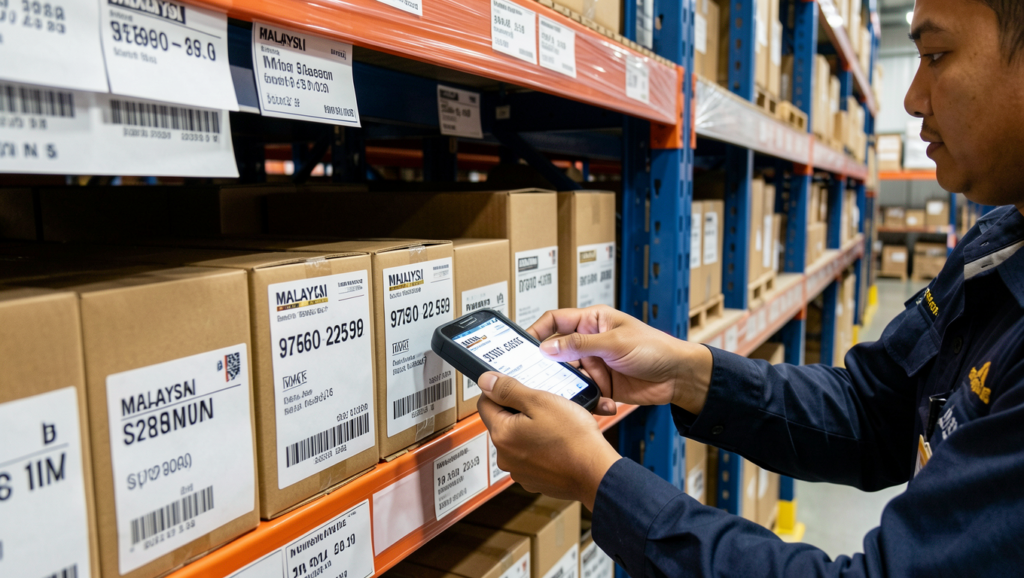
While human-centric improvements address the root causes, selective technology can serve as a safety net. Barcode scanners, voice picking, and mobile validation devices reduce misreads and misplacements.
Advanced solutions, such as warehouse management systems, can further flag anomalies in real time.
For example, companies considering operational scaling often evaluate purpose-built solutions like PayRecon WMS, which provides configurable validation steps, analytics dashboards, and automated reporting.
Integrating such tools should follow after optimizing workflows and incentives, ensuring that technology amplifies rather than replaces structured processes.
Structural and Market Pressures: Reduce Warehouse Picking Errors
High-volume e-commerce platforms impose strict delivery windows, creating tension between speed and accuracy. Seller penalties for late fulfillment and customer expectations for perfect orders compound operational risk.
Understanding these pressures helps managers prioritize error-reduction investments, such as reinforcing high-risk SKUs or staging peak-demand inventory closer to dispatch points.
Structural analysis—looking at SKU turnover, picking density, and fulfillment deadlines—guides cost-effective interventions that sustain accuracy without unnecessary expenditure.

Comparison of Operational Strategies: Reduce Warehouse Picking Errors
Companies can combine human, procedural, and technological measures in varying proportions:
Blending these strategies allows managers to calibrate interventions based on warehouse size, order complexity, and labor dynamics.
Conclusion: Reduce Warehouse Picking Errors
Reducing warehouse picking errors is a multi-dimensional challenge that requires both structural and behavioral interventions.
Quick fixes such as additional headcount or temporary overtime offer limited benefits, while systematic workflow design, balanced incentives, and selective technology deployment deliver sustainable improvements.
Solutions like PayRecon WMS exemplify the kind of purpose-built systems that can scale these efforts—but only after foundational processes are solidified.
When approached strategically, error rates can drop below 1%, improving operational efficiency and customer satisfaction, but success depends on recognizing and addressing the structural pressures inherent in high-volume fulfillment.