What is the difference between PayRecon WMS and traditional systems?
Warehouse errors can silently consume 3–8% of annual revenue in growing eCommerce businesses. Most of that loss does not come from dramatic system failures, but from small daily inefficiencies inside outdated tools. This is where the real difference between WMS and legacy systems becomes visible—not in features alone, but in how they shape operational scalability.
Introduction
When businesses ask, “What is the difference between PayRecon WMS and traditional systems?”, they are usually comparing cost, features, or interface. But the real answer lies deeper. Traditional systems were built primarily for record-keeping. Modern warehouse management systems (WMS) are built for execution speed.
The difference between WMS and legacy systems directly affects picking accuracy, fulfillment time, labor cost, and marketplace performance. In Southeast Asia’s fast-moving digital commerce environment, those structural differences compound quickly.
Quick Summary: Difference Between WMS and Legacy Systems

- Legacy systems focus on accounting accuracy and basic stock recording.
- PayRecon WMS focuses on real-time warehouse execution, automation, and operational speed.
- Legacy tools often rely on manual processes and delayed updates.
- WMS platforms reduce picking errors by 50–90% and improve fulfillment speed by 20–40% in optimized setups.
- The key difference is operational control vs administrative recording.
In short: legacy systems track inventory. WMS systems manage warehouse performance.
Operational Execution vs Historical Recording
At the core, the difference between WMS and legacy systems is purpose.
Traditional systems—especially older ERP or accounting-based tools—prioritize:
- Stock valuation
- Financial reporting
- Purchase and sales documentation
- Period-end reconciliation
They record what happened.
In contrast, PayRecon WMS manages what is happening:
- Real-time bin-level tracking
- Guided picking paths
- Barcode validation
- Batch and expiry control
- Multi-channel fulfillment orchestration
This distinction matters because Southeast Asian sellers often operate across Shopee, Lazada, TikTok Shop, and offline retail simultaneously. Recording transactions is not enough. Execution accuracy determines seller ratings and marketplace visibility.
Why the Difference Between WMS and Legacy Systems Impacts Marketplace Performance
Warehouse speed now affects digital revenue directly.
Marketplaces prioritize:
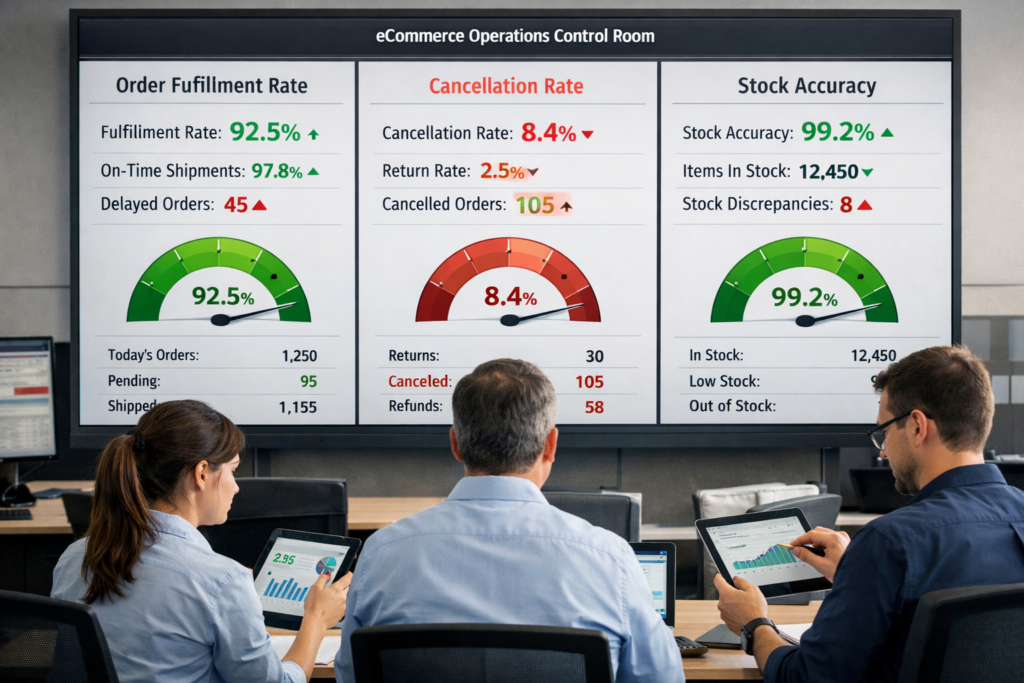
- Fast fulfillment rates
- Low cancellation rates
- High inventory accuracy
- Same-day or next-day shipping eligibility
Legacy systems rely heavily on manual entry or delayed stock synchronization. When stock updates lag even by a few hours, overselling risk increases. That leads to:
- Order cancellations
- Seller penalty points
- Algorithmic visibility reduction
PayRecon WMS integrates operational logic into the flow itself. Scanning validation reduces mis-picks before packing. Stock movements update instantly. This directly protects seller performance metrics.
The difference between WMS and legacy systems is no longer internal—it influences how platforms rank and expose sellers.
Structural Cost Dynamics: Labor, Error, and Scaling Pressure
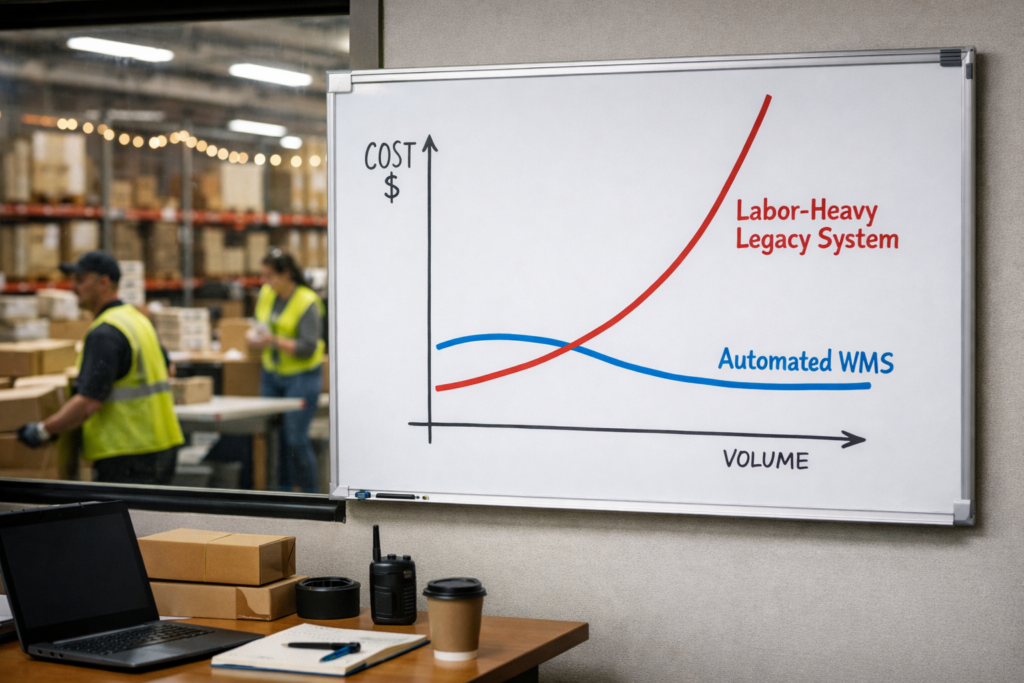
A deeper structural difference lies in cost curves.
With legacy systems:
- Labor increases linearly with order volume
- Manual checking increases as SKU count expands
- Human error compounds during peak campaigns
With WMS:
- Scanning reduces verification time
- Automated task allocation optimizes picker routes
- Real-time dashboards reduce supervisory overhead
In Southeast Asia’s campaign-heavy commerce cycles (11.11, 12.12, Ramadan, Chinese New Year), fulfillment surges can multiply order volume by 3–5x temporarily.
Legacy tools strain under spikes.
WMS systems are designed for elasticity.
The difference between WMS and legacy systems becomes visible during stress testing—not during normal days.
Data Visibility: Static Reports vs Operational Intelligence
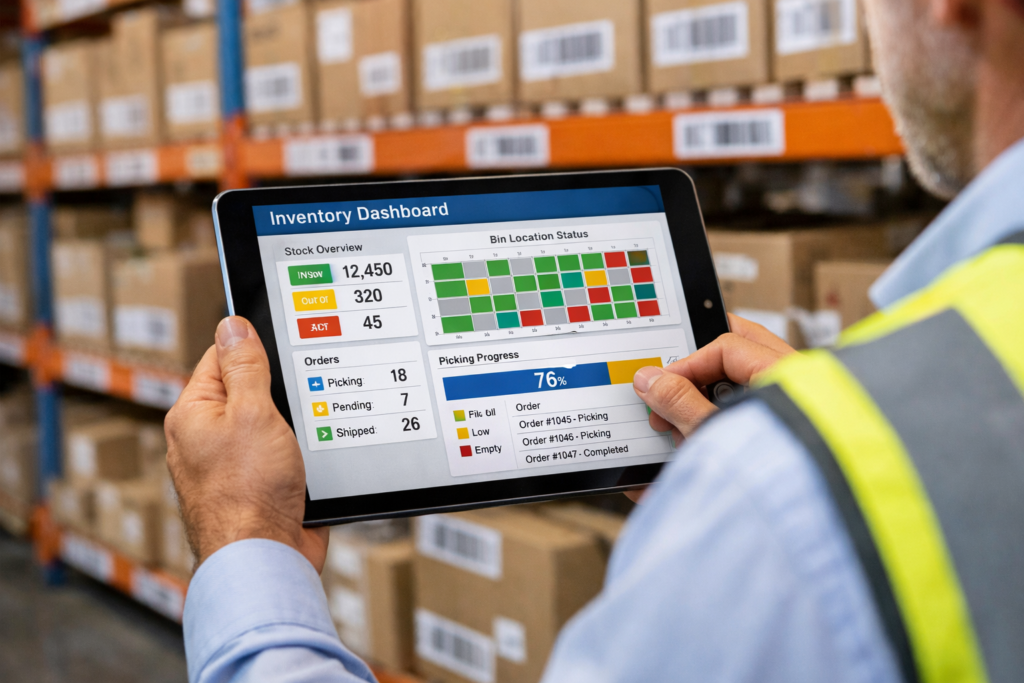
Traditional systems typically provide end-of-day or periodic reports. This is sufficient for accounting. It is insufficient for warehouse optimization.
PayRecon WMS provides:
- Live picking status
- Order backlog visibility
- Dead stock identification
- Expiry tracking
- Bin utilization insights
This real-time intelligence allows proactive management rather than reactive correction.
For growing SMEs transitioning from spreadsheet-based operations, this is often the turning point between operational stability and chaotic growth.
Technology Architecture and Integration Depth
Many legacy systems were not built with omnichannel commerce in mind. Integration often requires custom connectors or delayed synchronization.
PayRecon WMS is designed for:
- API-based marketplace integrations
- Multi-channel stock pooling
- Automated sync across platforms
- Cloud deployment for regional operations
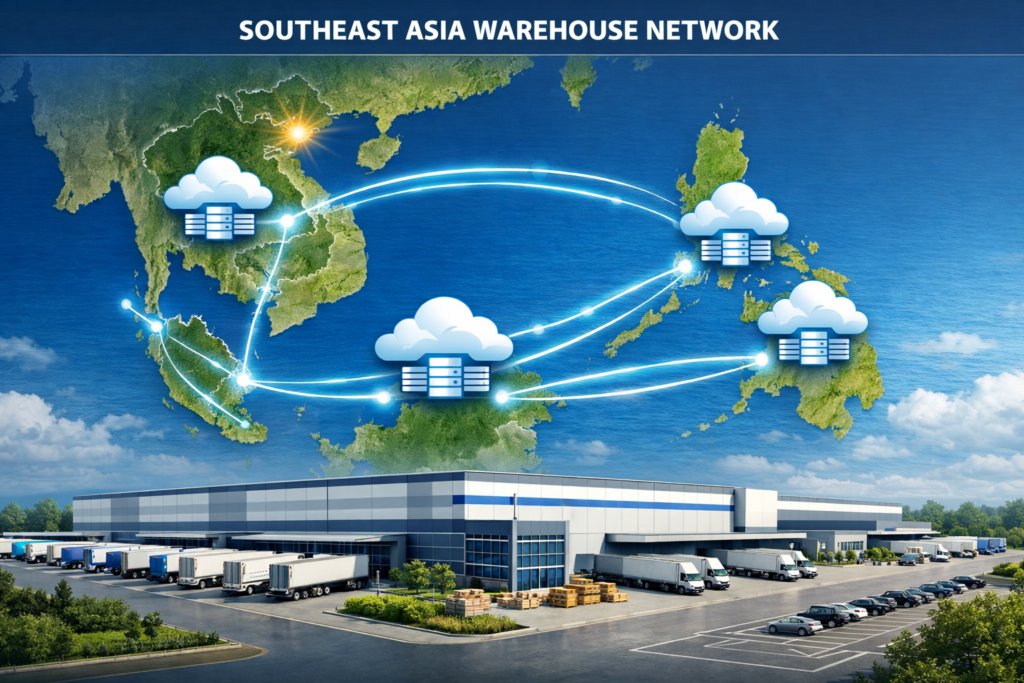
This architectural shift reduces friction in cross-border expansion across Malaysia, Philippines, and Thailand.
The difference between WMS and legacy systems here is not cosmetic—it determines whether regional scaling is frictionless or operationally fragile.
Structural Insight: Why Legacy Systems Persist
If WMS is more advanced, why do legacy systems still exist?
Because they were built for a different economic model.
Traditional systems prioritize:
- Financial compliance
- Stability
- Cost containment
- Predictable transaction volumes
Modern commerce prioritizes:
- Speed
- Platform reputation
- Multi-channel agility
- Campaign responsiveness
Legacy systems work well in slow-moving distribution environments.
WMS thrives in high-velocity digital ecosystems.
This structural mismatch explains why SMEs often outgrow legacy tools once marketplace revenue exceeds a certain operational threshold.

Conclusion: Sustainable Under Growth Conditions
The difference between WMS and legacy systems is not about modern vs old software. It is about operational philosophy.
Legacy systems are stable and cost-efficient for low-complexity environments.
PayRecon WMS becomes structurally advantageous when:
- SKU count increases
- Multi-channel selling expands
- Campaign spikes become frequent
- Fulfillment speed affects marketplace ranking
For SMEs focused on digital commerce growth, WMS adoption is scalable under sustained volume expansion. For businesses operating at low complexity with minimal channel pressure, legacy tools may remain sufficient.
The decision is not about features.
It is about whether your operational model is built for recording the past—or executing the future.