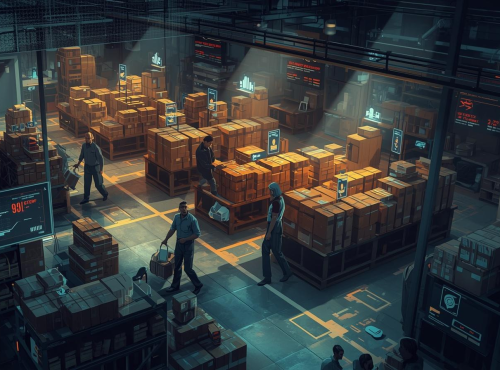

Warehouse Mistakes: Impact on Fulfillment and Supply Chain Resilience

Warehouse Mistakes: Impact on Fulfillment and Supply Chain Resilience

warehouse error rate

High warehouse mistakes impacts operational efficiency and fulfillment accuracy. Understanding its drivers helps businesses anticipate risk and optimize workflows.

Persistent mistakes increase rework and distort inventory, influencing broader supply chain decisions. Solutions like PayRecon WMS can further support long-term operational resilience.

Introduction

The concept of warehouse mistakes  has shifted from a mere operational metric to a key indicator of systemic resilience in contemporary logistics. In Southeast Asian SMEs, for instance, the pressure to balance order velocity with inventory accuracy has amplified the visibility of errors, making them not just episodic failures but signals of underlying structural weaknesses. Over time, these errors compound, reflecting the interplay between workforce practices, workflow design, and digital infrastructure.

Furthermore, high warehouse mistakes are not merely a quantitative inconvenience. They are symptomatic of architectural and operational trade-offs: how processes are sequenced, how data flows between systems, and how decision-making is distributed across teams. While businesses often focus on immediate mitigation, understanding the trajectory of error rates is essential for long-term operational maturity.

Strategically, evaluating warehouse operational errors requires both granular observation and a system-level perspective. Operational leaders must weigh short-term efficiency against long-term scalability, considering how incremental mistakes affect fulfillment, customer experience, and the broader supply chain. In this context, the evolution from ad hoc management to integrated solutions, such as PayRecon WMS, represents a structural pivot rather than a superficial upgrade.


Why Warehouse Error Rates Increase Over Time

Organizations often notice a gradual uptick in warehouse mistakes as operational complexity grows. Several structural factors underpin this trend:

Workflow Fragmentation

Workflow Fragmentation

Tasks pass through many hand picking, packing, and shipping,increasing errors.

Manual Dependency

Manual Dependency

Manual entry or checklists increases errors, especially during busy periods.

Visibility Gaps

Visibility Gaps

Without real-time inventory or process data, problems aren’t noticed quickly.

Process Complexity

Process Complexity

More SKUs and transaction types introduce variability that staff must manage.

Staff Overload

Staff Overload

High workloads over long hours make simple mistakes more frequent.
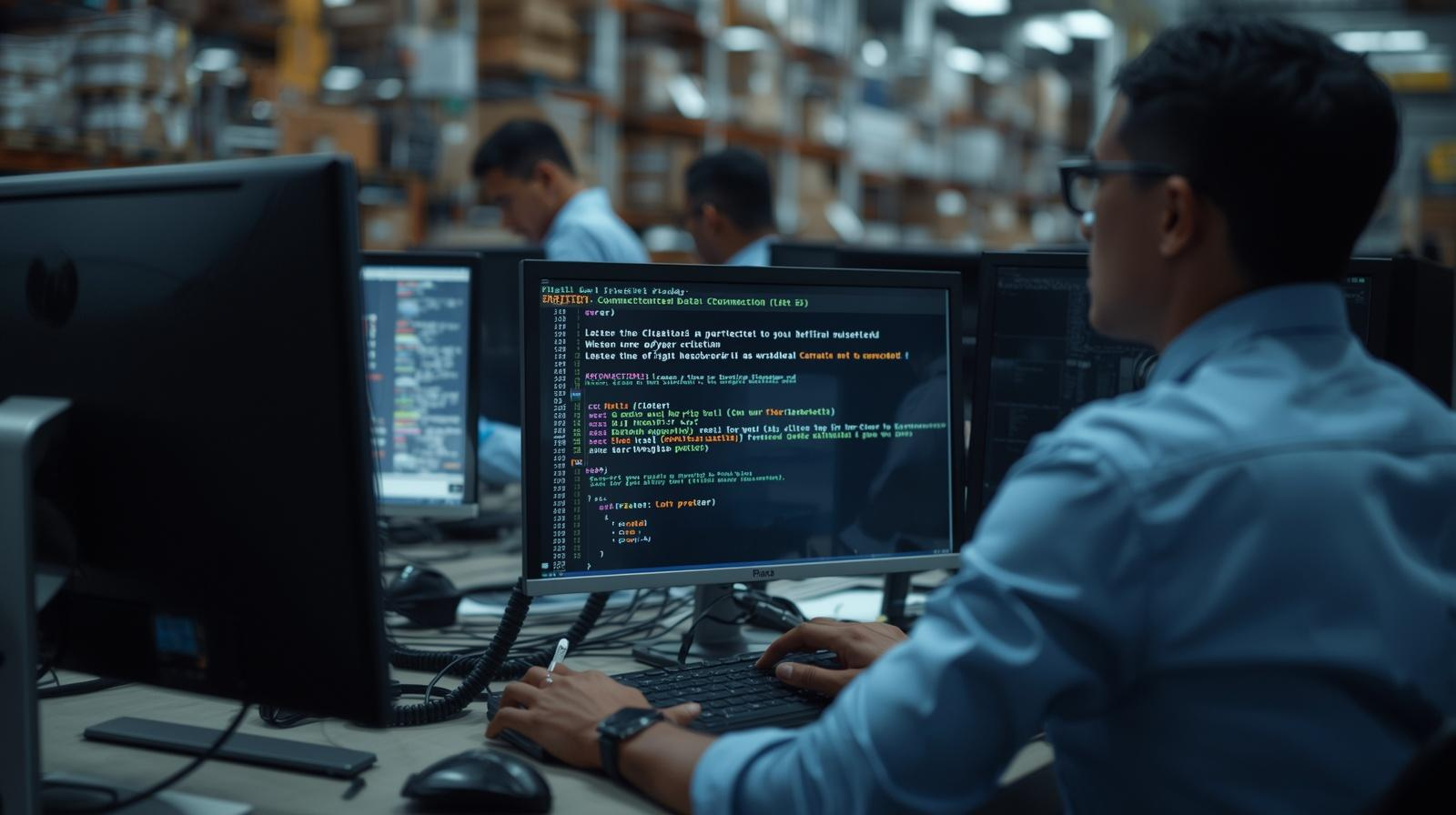
Tool Limitations

Tool Limitations

Outdated or poorly integrated systems turn small errors into bigger problems.
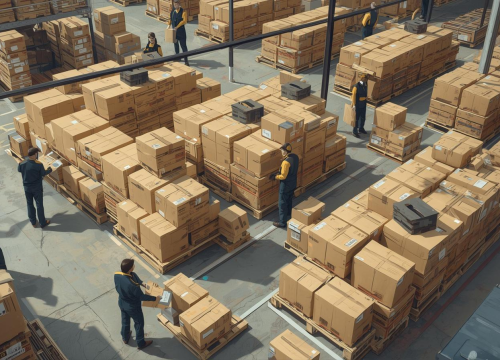

Common Causes of High Warehouse Error Rates

Identifying root causes allows organizations to evaluate trade-offs in staffing, technology, and process design. High warehouse operational errors typically emerge from structural rather than incidental issues.

1. Different Teams Handle Tasks Differently

Different teams may handle the same tasks in different ways, whether due to local habits or missing standard procedures. Small deviations repeated across teams can add up, increasing the warehouse error rate.

2. Lack of Real-Time System Integration

When inventory, order, and shipping systems don’t talk to each other, discrepancies appear. Not updating stock in real time or missing SKU-level data directly leads to warehouse mistakes.

3. Staff Lack Proper Training or Skills

High staff turnover or limited cross-training makes it harder for teams to spot and prevent errors. Without enough operational context, warehouse operational errors can grow over time.

Different Teams Handle Tasks Differently

Lack of Real-Time System Integration

Staff Lack Proper Training or Skills


How Warehouse Errors Impact Fulfillment

The consequences of elevated warehouse error rates extend beyond immediate operational inefficiency. Their strategic impact influences supply chain performance and customer experience.

Staff repacking orders due to warehouse errors.

Rework and Delay

Errors require corrective actions like recounts, repacking, or reshipping. Each instance consumes labor, delays fulfillment, and raises cost per unit, reflecting operational inefficiency and higher warehouse operational errors.

Inventory Distortion

Persistent errors distort real-time inventory, complicating demand planning and replenishment. Misalignment between physical stock and recorded inventory increases systemic risk, embedding warehouse mistakes deeper into workflows.

Mislabeled items causing inventory mistakes.
Delayed or wrong packages affecting customers.

Customer Experience Degradation

Order inaccuracies or delays affect service reliability. In competitive Southeast Asian markets, even minor mistakes can erode trust, showing how rising warehouse error rate is a strategic, not just operational, concern.


Strategic Implications for System Architecture

SMEs in Malaysia frequently face a critical inflection point where manual systems no longer suffice. At this stage, therefore, evaluating purpose-built platforms like PayRecon WMS becomes a logical progression. Although it is not a universal solution, it nevertheless illustrates how structural improvements can reduce warehouse error rate by improving data flow, operational visibility, and process standardization.

Moreover, understanding the drivers of warehouse error rate informs the selection of digital solutions and workflow design principles. In particular, key architectural considerations include:

Scalability vs. Complexity

Scalability vs. Complexity

Systems need control without unnecessary complexity; overly complex setups can increase warehouse operational errors.

Monitoring warehouse operations in real-time

Visibility and Real-Time Monitoring

Dashboards and alerts help detect issues early; without them, warehouse mistakes rise.

Integration with Existing Workflows

Integration with Existing Workflows

Systems must complement, rather than disrupt, current operational processes. Poor integration amplifies error propagation.

Conclusion

High warehouse error rates are not merely operational irritants; in fact, they are strategic indicators of systemic maturity and process resilience. Over time, incremental errors compound, reflecting structural fragmentation, visibility gaps, and workflow misalignment. Consequently, these issues signal deeper operational vulnerabilities that require attention.

Businesses typically outgrow manual or loosely integrated systems once transaction volumes and process complexity increase. At this juncture, strategic investments in integrated warehouse management solutions become critical. For example, platforms such as PayRecon WMS exemplify a deliberate evolution path, providing SMEs enhanced visibility, streamlined workflows, and reduced error propagation without introducing unnecessary complexity. Moreover, such solutions support long-term operational maturity while maintaining day-to-day efficiency.

Ultimately, understanding the sources, implications, and architectural trade-offs behind warehouse operational errors equips leaders to make informed decisions. Additionally, it aligns operational practices with long-term growth objectives, effectively balancing immediate efficiency with sustainable scalability in increasingly dynamic logistics environments.

[weglot_switcher]