Warehouse Growth Bottleneck: When Operations Can’t Keep Up with Demand

Understand how a warehouse growth bottleneck emerges as operations scale, and why structural limitations in workflow, systems, and visibility can quietly restrict long-term business expansion.
Introduction
In the early stages of business growth, warehouse operations often function as a silent enabler rather than a strategic constraint. Inventory moves, orders are fulfilled, and operational inefficiencies are frequently absorbed by manual workarounds or additional labor. However, as order volumes increase and channel complexity expands, these same operational structures begin to reveal their limitations. What once appeared manageable gradually transforms into a warehouse growth bottleneck, constraining throughput, visibility, and ultimately, business scalability.
Moreover, this transition is rarely abrupt. Instead, it manifests through incremental friction—delayed order processing, inconsistent inventory records, and increasing reliance on human intervention. While these issues may initially seem isolated, they often signal deeper architectural misalignments between operational workflows and growth trajectories. Consequently, businesses that fail to recognize these signals risk embedding inefficiencies into their scaling model.
Therefore, understanding how a warehouse growth bottleneck forms is not merely an operational concern but a strategic necessity. It requires evaluating not only current performance but also the structural capacity of warehouse systems to support future expansion across channels, geographies, and fulfillment expectations.
Structural Origins of a Warehouse Growth Bottleneck
A warehouse growth bottleneck rarely originates from a single failure point. Instead, it emerges from the interaction between workflow design, system architecture, and operational maturity. While many SMEs in Southeast Asia initially rely on spreadsheets or loosely integrated systems, these tools often lack the structural depth required for scaling.
Furthermore, the challenge is not simply about adopting more advanced systems. Rather, it lies in aligning operational logic with business growth. For example, a warehouse designed for single-channel fulfillment may struggle to adapt to multi-channel environments such as Shopee, Lazada, and TikTok Shop, where synchronization and real-time updates become critical.
Key structural drivers include:

Fragmented system architecture
Disconnected tools create data silos, limiting real-time decision-making.
Manual workflow dependency
Human intervention compensates for system gaps but reduces scalability.
Limited process standardization
Inconsistent workflows increase error rates as volume grows.
Inadequate data synchronization
Inventory discrepancies across channels disrupt fulfillment accuracy.
When Warehouse Operations Limit Business Growth
At a certain stage, operational inefficiencies begin to influence broader business performance. This is where a warehouse growth bottleneck transitions from an internal issue to a strategic constraint. Notably, this shift often occurs when businesses attempt to scale beyond their initial operational design.
In Malaysia’s SME landscape, this is particularly evident among e-commerce sellers expanding from single-platform operations to omnichannel distribution. While revenue opportunities increase, warehouse systems often fail to keep pace, creating a mismatch between demand generation and fulfillment capability.
Critical limitation points include:
Throughput constraints
Order processing capacity does not scale effectively proportionally with demand.
Inventory visibility gaps
Lack of real-time tracking frequently leads to overselling or stockouts in operations.
Operational latency
Delays in picking, packing, and dispatch reduce overall customer satisfaction.
Integration friction
Difficulty syncing with marketplaces and accounting systems slows operations.
When Warehouse Operations Limit Business Growth
At a certain stage, operational inefficiencies begin to influence broader business performance. This is where a warehouse growth bottleneck transitions from an internal issue to a strategic constraint. Notably, this shift often occurs when businesses attempt to scale beyond their initial operational design.
In Malaysia’s SME landscape, this is particularly evident among e-commerce sellers expanding from single-platform operations to omnichannel distribution. While revenue opportunities increase, warehouse systems often fail to keep pace, creating a mismatch between demand generation and fulfillment capability.
Critical limitation points include:
|
Dimension
|
Early-Stage Priority
|
Growth-Stage Requirement
|
|---|---|---|
|
Workflow Flexibility
|
High
|
Balanced with control
|
|
System Integration
|
Minimal
|
Real-time synchronization
|
|
Data Visibility
|
Basic reporting
|
End-to-end operational visibility
|
|
Process Standardization
|
Low
|
High
|
Additionally, warehouse scalability issues often become apparent when businesses attempt to introduce automation or expand SKU ranges. Systems that cannot accommodate these changes without significant restructuring tend to reinforce the warehouse growth bottleneck rather than resolve it.
Trade-Offs in Addressing Warehouse Limits Business Growth

Addressing a warehouse growth bottleneck requires navigating trade-offs rather than simple solutions. Upgrading systems adds complexity and cost, while keeping existing workflows preserves short-term stability but limits long-term scalability.
Core trade-offs include:
Flexibility vs. Control
Flexible workflows adapt but may lack consistency and accuracy.
Cost vs. Scalability
Lower-cost solutions may not support long-term expansion.
Speed vs. Accuracy
Faster processes can increase error rates without proper system checks.
Integration Depth vs. Complexity
Deep integrations improve efficiency but require higher technical investment.
Signs Your Warehouse Cannot Support Expansion
Recognizing the early signals of a warehouse growth bottleneck is critical for preventing operational stagnation. While some indicators are obvious, others are more subtle and often overlooked until they impact customer experience or financial performance.
In rapidly growing Southeast Asian markets, where promotional cycles and flash sales drive demand spikes, these limitations become even more pronounced.
Common warning signs:

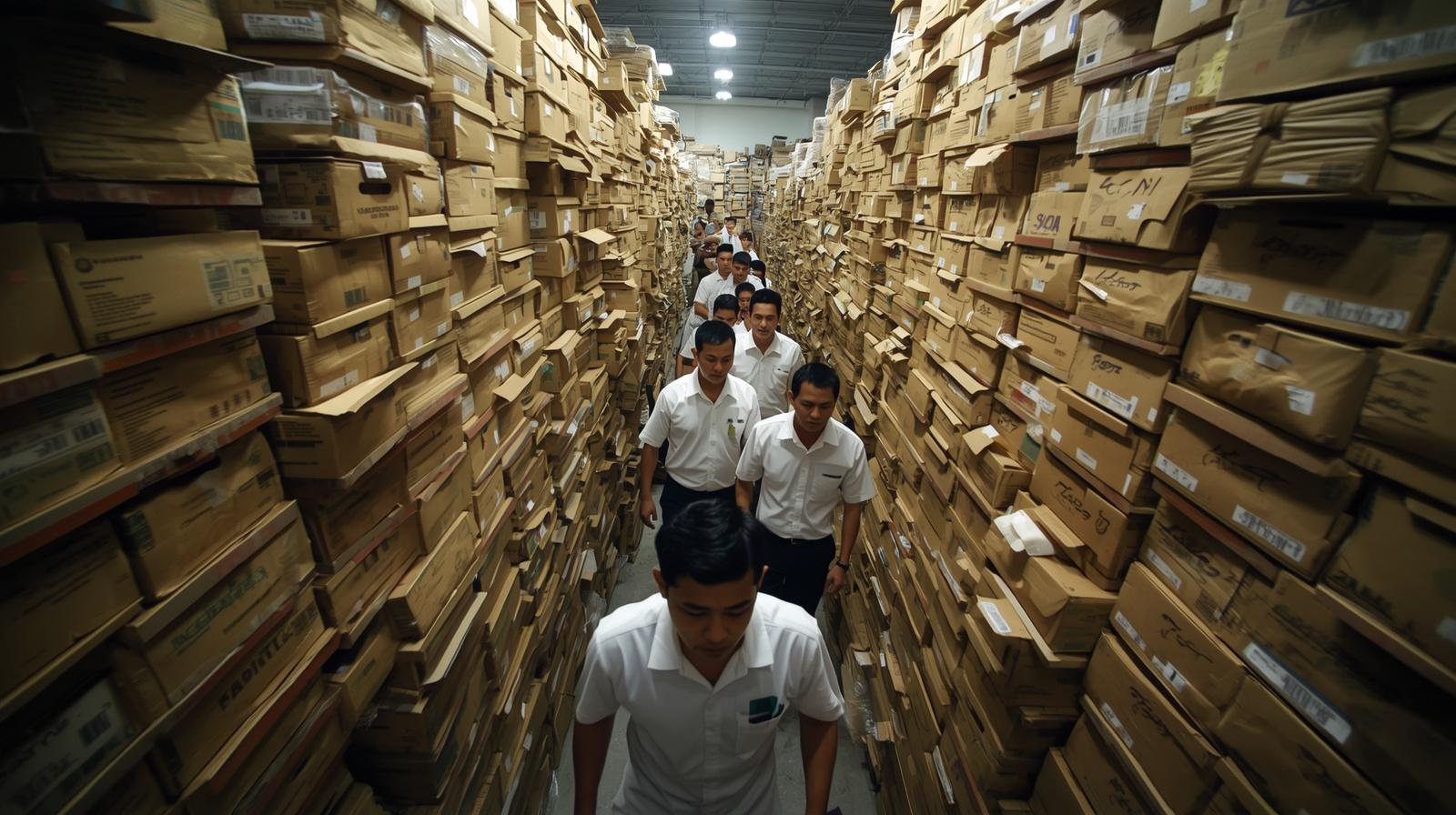
Stock records mismatch
Inventory records often don’t match actual stock.
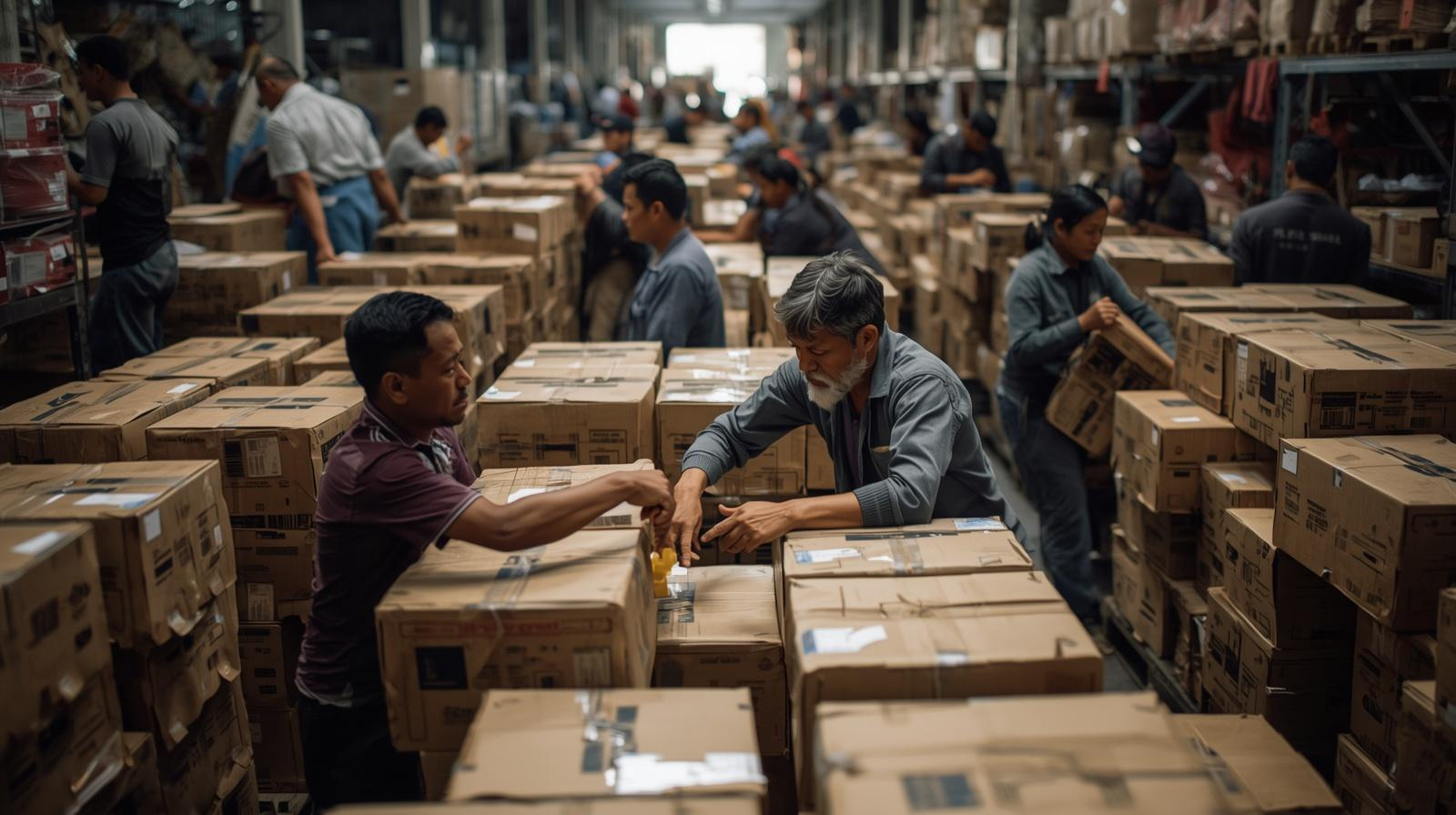
Order delays pile up
Metrics rely on accurate, synced data from inventory, labor, and orders.
Rising operational costs
Labor and error correction costs grow faster than revenue.

Limited reporting capability
Decisions are made with incomplete or delayed data.
Strategic Role of Warehouse Systems in Digital Maturity
As businesses evolve, the role of warehouse systems shifts from operational support to strategic infrastructure. A warehouse growth bottleneck often indicates that the existing system no longer aligns with the organization’s digital maturity level.
Consequently, businesses must reconsider how warehouse operations integrate with broader systems such as ERP, accounting, and e-commerce platforms. This is particularly relevant in Malaysia, where SMEs increasingly operate across multiple digital ecosystems.
At this stage, purpose-built solutions such as PayRecon WMS may enter the evaluation process—not as immediate replacements, but as part of a broader shift toward structured, scalable warehouse management frameworks.
Strategic considerations include:
✅️
End-to-end visibility: Integration across inventory, orders, and financial systems.
✅️
Workflow automation: Reducing manual intervention while maintaining control.
✅️
Scalable architecture: Supporting growth without repeated system overhauls.
✅️
Data-driven decision-making: Leveraging real-time insights for operational planning.
Conclusion
A warehouse growth bottleneck is more than an operational inconvenience; it signals that current systems and workflows are no longer aligned with business growth. Early inefficiencies may be manageable, but as organizations scale, these limitations become critical constraints affecting fulfillment accuracy, customer experience, and overall competitiveness. Understanding the underlying causes—fragmented systems, manual dependencies, and limited integration—is essential for addressing the bottleneck strategically rather than tactically.
As businesses move into more complex operational stages, they naturally outgrow simple tools and fragmented workflows. Structured warehouse management systems, such as PayRecon WMS, form part of a broader evolution toward integrated, scalable operations. Adoption decisions should focus on strategic alignment, ensuring warehouse infrastructure enables growth rather than restricting it.