Oracle NetSuite WMS Explained: Strategic Guide for Growing Warehouses

Oracle NetSuite WMS is frequently discussed as a warehouse solution inside the NetSuite ecosystem. However, many businesses later discover that Oracle NetSuite WMS functions primarily as an inventory extension rather than a full warehouse management system.
Introduction

Many companies searching for warehouse technology eventually encounter Oracle NetSuite WMS during their evaluation process. The platform appears attractive because it sits inside a well-known enterprise resource planning environment. Businesses already using NetSuite for accounting naturally assume the warehouse component will solve operational complexity.
The reality is often more nuanced. Oracle NetSuite WMS does provide structured inventory features, barcode support, and transaction visibility. Yet its design philosophy remains tightly coupled to accounting workflows rather than warehouse execution. That distinction becomes important once order volumes increase or warehouse operations grow more complex.
In Southeast Asia, especially Malaysia, many small and medium enterprises initially adopt ERP inventory modules for stock tracking. Over time, operational teams discover that warehouse problems require a different type of system architecture. This realization frequently leads companies to evaluate purpose-built platforms such as PayRecon WMS instead of relying solely on ERP-based warehouse modules.
Understanding the strategic positioning of Oracle NetSuite WMS therefore requires looking beyond feature lists. Businesses must examine how the system actually behaves under real warehouse pressure.
What Oracle NetSuite WMS Actually Is
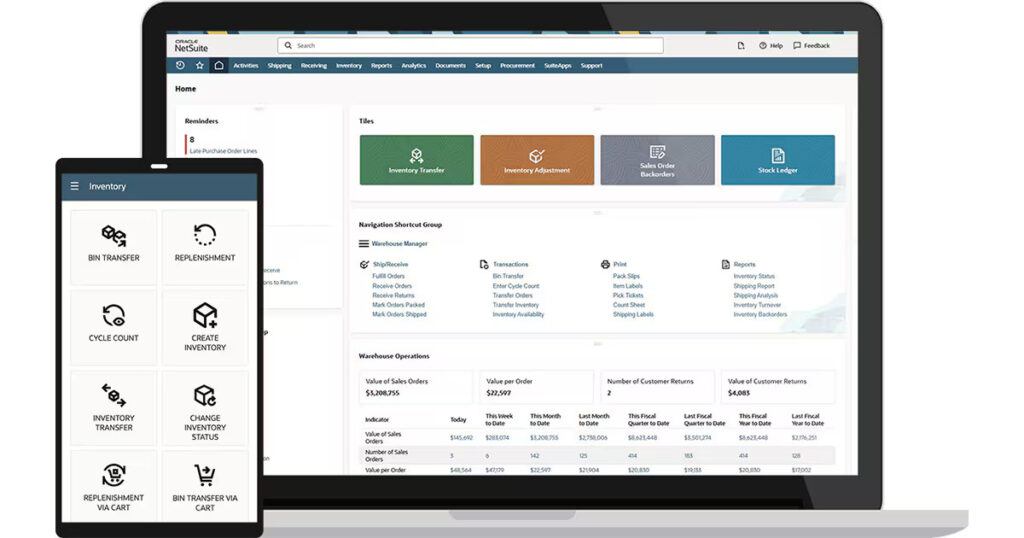
Oracle NetSuite WMS is commonly introduced as a warehouse management system within the NetSuite ecosystem. In practice, it functions as a cloud-based module integrated with NetSuite ERP, designed to automate core warehouse activities such as receiving, putaway, picking, packing, and shipping. 【Resources Links】
Core characteristics:
Built as a module inside the NetSuite ERP ecosystem
Designed primarily to extend inventory visibility and financial traceability
Focuses on recording stock transactions rather than optimizing warehouse execution
Works well for accounting teams and inventory audits
Less optimized for high-speed warehouse operations
Operational implication
| Perspective | Experience with Oracle NetSuite WMS |
|---|---|
|
Accounting teams |
Clear inventory records and financial reconciliation |
|
Warehouse teams |
Limited operational guidance |
|
Growing businesses |
Inventory tracking works, but warehouse productivity becomes difficult to scale |
Why ERP-Based Warehouse Modules Reach Operational Limits

As warehouse activity grows, ERP inventory modules often begin to show structural limitations.
When order volumes are still small
Warehouse staff manually manage picking sequences
Inventory records remain accurate
System workflows appear sufficient
When order volumes increase
Operational gaps begin to appear:
Warehouse teams must manually decide picking priorities
Warehouse movement paths remain unoptimized
Batch picking and wave planning are limited
Staff rely on experience instead of system guidance
Order fulfillment speed becomes inconsistent
Result
Many companies discover that Oracle NetSuite WMS behaves more like inventory tracking than real warehouse management.
Reference resources
Accounting-Centered System Architecture
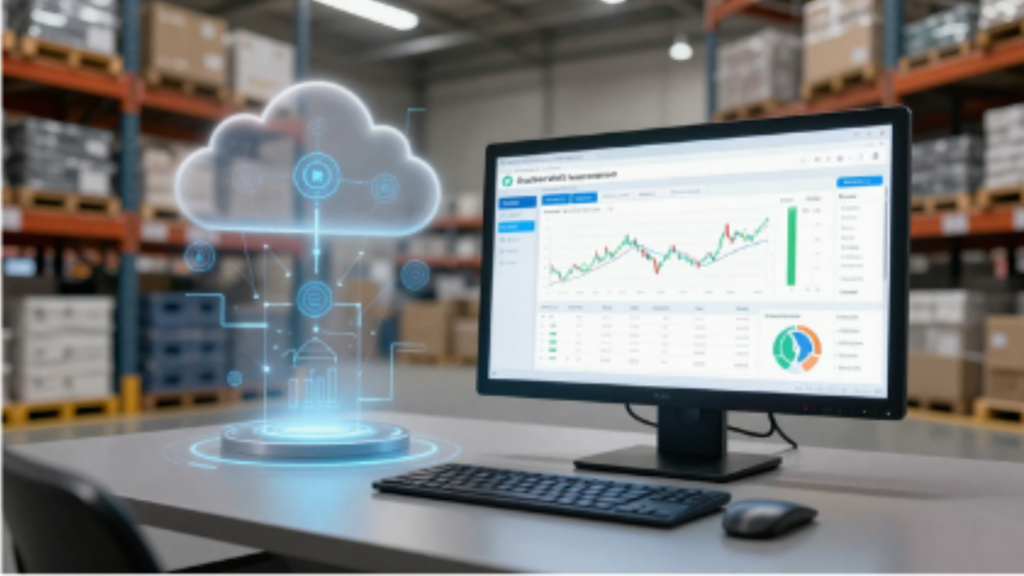
Oracle NetSuite WMS is built on top of NetSuite ERP. This means its architecture prioritizes financial integration and inventory synchronization with the ERP environment. 【Resources Links】
|
System Priority
|
What It Focuses On
|
|---|---|
|
Financial traceability
|
Inventory transactions tied to accounting records
|
|
Audit compliance
|
Structured historical tracking
|
|
Inventory valuation
|
Integration with financial ledgers
|
|
Reporting accuracy
|
Inventory numbers aligned with accounting reports
|
However, warehouse management requires different capabilities:
|
Warehouse Execution Need
|
ERP Inventory Module Capability
|
|---|---|
|
Dynamic picking routes
|
Limited
|
|
Task orchestration
|
Basic
|
|
Batch processing
|
Minimal
|
|
Warehouse movement optimization
|
Rare
|
This difference explains why warehouse operators often struggle when using ERP-based systems alone.
Why SMEs in Southeast Asia Often Evaluate Alternatives
Many businesses in Malaysia follow a similar technology journey.
Companies choose ERP inventory modules because:
One system manages accounting and stock
Implementation appears simpler
Inventory tracking is initially sufficient
Warehouse challenges start to appear:
Marketplace orders increase rapidly
SKU count expands
Multiple sales channels require synchronization
Fulfillment teams struggle with manual coordination
Companies start evaluating dedicated warehouse management systems such as PayRecon WMS.
Key Differences Between Oracle NetSuite WMS and PayRecon WMS
| Capability | Oracle NetSuite WMS | PayRecon WMS |
|---|---|---|
|
System design |
ERP inventory extension |
Purpose-built WMS |
|
Primary users |
Accounting teams |
Warehouse operations teams |
|
Warehouse task orchestration |
Limited |
Advanced |
|
Batch picking |
Basic |
Optimized |
|
Picking route guidance |
Minimal |
System-driven |
|
Operational scalability |
Moderate |
High for SMEs |
Strategic implication
Oracle NetSuite WMS focuses on inventory documentation
PayRecon WMS focuses on warehouse execution efficiency
Real SME Warehouse Scenario
Example: Growing e-commerce distributor in Kuala Lumpur
Initial stage
The company uses Oracle NetSuite WMS to manage inventory.
Operational reality:
Warehouse staff organize picking manually
Order volumes remain manageable
Inventory numbers remain accurate
Growth stage
Operational pressure increases:
Hundreds of orders daily
Picking paths become inefficient
Staff spend time deciding which orders to pick first
Operational solution
The company introduces PayRecon WMS.
Operational improvements:
Orders grouped into optimized picking waves
Warehouse staff receive structured tasks
Picking routes become system-guided
Fulfillment speed increases
Final system architecture
| System Role | Platform |
|---|---|
|
Financial accounting |
NetSuite ERP |
|
Inventory financial records |
Oracle NetSuite WMS |
|
Warehouse operations |
PayRecon WMS |
Strategic Takeaway for Businesses
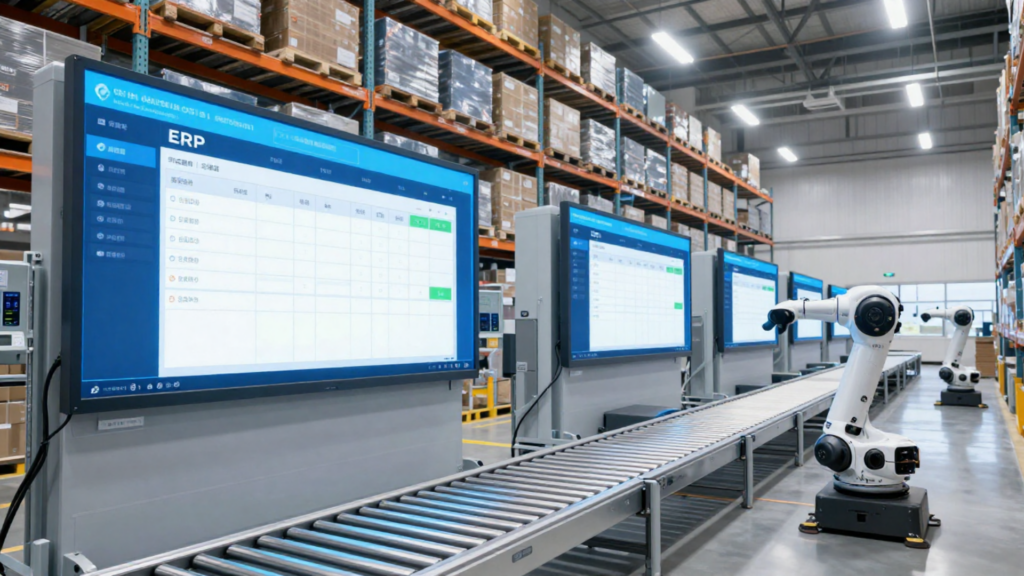
The key distinction businesses must understand is the difference between inventory accounting and warehouse management.
Inventory accounting systems
Focus on:
Financial reporting
Inventory valuation
Transaction documentation
Audit compliance
Warehouse management systems
Focus on:
Order fulfillment efficiency
Worker productivity
Warehouse movement optimization
Operational scalability
This explains why many companies begin with ERP inventory modules but later adopt dedicated WMS platforms like PayRecon WMS.
Conclusion
Oracle NetSuite WMS occupies an interesting position in the warehouse technology landscape. It extends an ERP system with structured inventory features and transactional visibility. For accounting teams and moderate inventory environments, the system performs reliably.
However, its architecture reflects financial priorities rather than operational warehouse management. As order volumes grow and fulfillment complexity increases, businesses often encounter limitations in workflow orchestration and execution efficiency.
This gap explains why many SMEs begin exploring purpose-built warehouse systems after initially adopting ERP inventory modules. Platforms such as PayRecon WMS focus specifically on warehouse productivity, real-time operations, and scalable fulfillment logic.
The strategic decision is rarely about replacing accounting software. Instead, it involves recognizing that warehouse execution requires specialized tools. Organizations that separate operational systems from financial platforms usually achieve stronger long-term efficiency.
For growing businesses in Malaysia and Southeast Asia, understanding this distinction helps guide technology investment. Oracle NetSuite WMS may provide inventory structure, but operational excellence typically requires a dedicated warehouse management system like PayRecon WMS.