Autocount Stock Module Guide: Features, Gaps, and Better Alternatives

The Autocount Stock Module is widely used by SMEs for basic inventory tracking and accounting integration. Many businesses adopt it during early operational stages because it connects stock records directly with financial reporting.
However, as operations grow, companies often discover that warehouse management requires more than basic accounting inventory tools. Warehouse environments involve continuous stock movement, order fulfillment coordination, and real-time visibility across storage locations. Standard accounting-based inventory modules are designed primarily to record transactions rather than control warehouse workflows.
Introduction
Many SMEs in Malaysia adopt the Autocount Stock Module to manage inventory alongside accounting records. The system supports essential processes such as stock in stock out, batch tracking, and basic stock reporting, making it suitable for businesses that need simple financial visibility over inventory.
At early stages, these functions appear sufficient because warehouse complexity is limited and transaction volumes are manageable. Accountants can maintain accurate records while warehouse staff coordinate manually. However, as businesses grow, operational demands increase, revealing that the module primarily supports accounting rather than real-time warehouse control.
This realization often leads SMEs to evaluate purpose-built solutions like PayRecon WMS, which focus on operational inventory management rather than accounting-driven reporting, providing real-time control for growing warehouses.

Understanding the Role of the Autocount Stock Module
The Autocount Stock Module is primarily built to support accounting processes rather than full warehouse operations. It helps maintain financial accuracy but has limited operational control.

Supports Accounting Processes
The system ensures stock values match financial transactions, helping accountants maintain accurate books and reports.
Tracks Purchases and Sales
It records purchase entries, sales deductions, and stock adjustments, making it easier to manage financial reporting and taxes.


Limited Operational Control
Warehouse teams still move stock physically outside the system, and updates are added afterward, not in real time.
Acts Mainly as a Ledger
The Autocount Stock Module works like a record book rather than a tool to actively manage warehouse operations.

Core Capabilities of the Autocount Stock Module
Picking and packing are the most operationally sensitive areas. Autocount WMS supports order processing but lacks optimized workflows for aisle movement, task sequencing, and line-item verification. Errors often depend on staff vigilance rather than system enforcement.
- Designed mainly for accounting inventory tracking
- Keeps stock values synchronized with financial transactions
- Used by accountants to record purchases, sales, and stock adjustments
- Physical warehouse movement usually happens outside the system
- Updates are recorded after stock movement instead of in real time
Why Accounting-Based Stock Modules Often Feel Like WMS
Many accounting systems, including the Autocount Stock Module, advertise their inventory features as warehouse solutions. This can make business owners think they have a full warehouse management system, even though it mainly tracks stock for accounting purposes.
Inside these systems, inventory dashboards look neat and reports show stock levels and transaction history clearly. This works well for finance teams who need accurate records for reporting and stock valuation.
In reality, warehouse staff still handle picking and movement manually. Location tracking is usually missing, and inventory updates happen after items are moved, not at the moment of activity. This is why the system feels like a WMS but does not actually manage warehouse operations.
Operational Gaps SMEs Eventually Encounter
business activity expands, operational pressure gradually reveals the limits of the Autocount Stock Module. Warehouse teams begin managing higher order volumes and more complex inventory movements.
Stock discrepancies become harder to trace when multiple staff members interact with the same inventory. Batch tracking records exist, but operational visibility remains limited because updates depend on manual data entry.
Stock reporting inside the Autocount Stock Module provides valuable financial insight. However, warehouse managers often require real-time operational visibility rather than historical reporting.
These differences become particularly visible when ecommerce fulfillment begins accelerating in Southeast Asian markets. Businesses must process orders faster while maintaining accurate inventory control.

Why SMEs Evaluate PayRecon WMS
Many SMEs start looking for dedicated warehouse systems when their current accounting-based tools, like Autocount Stock Module, cannot handle growing operational demands. PayRecon WMS provides real-time, structured, and reliable warehouse management.

Real-time inventory tracking
See stock movement immediately as items are received, moved, or shipped.

Structure warehouse workflow
Follow clear processes for picking, packing, and storing inventory.
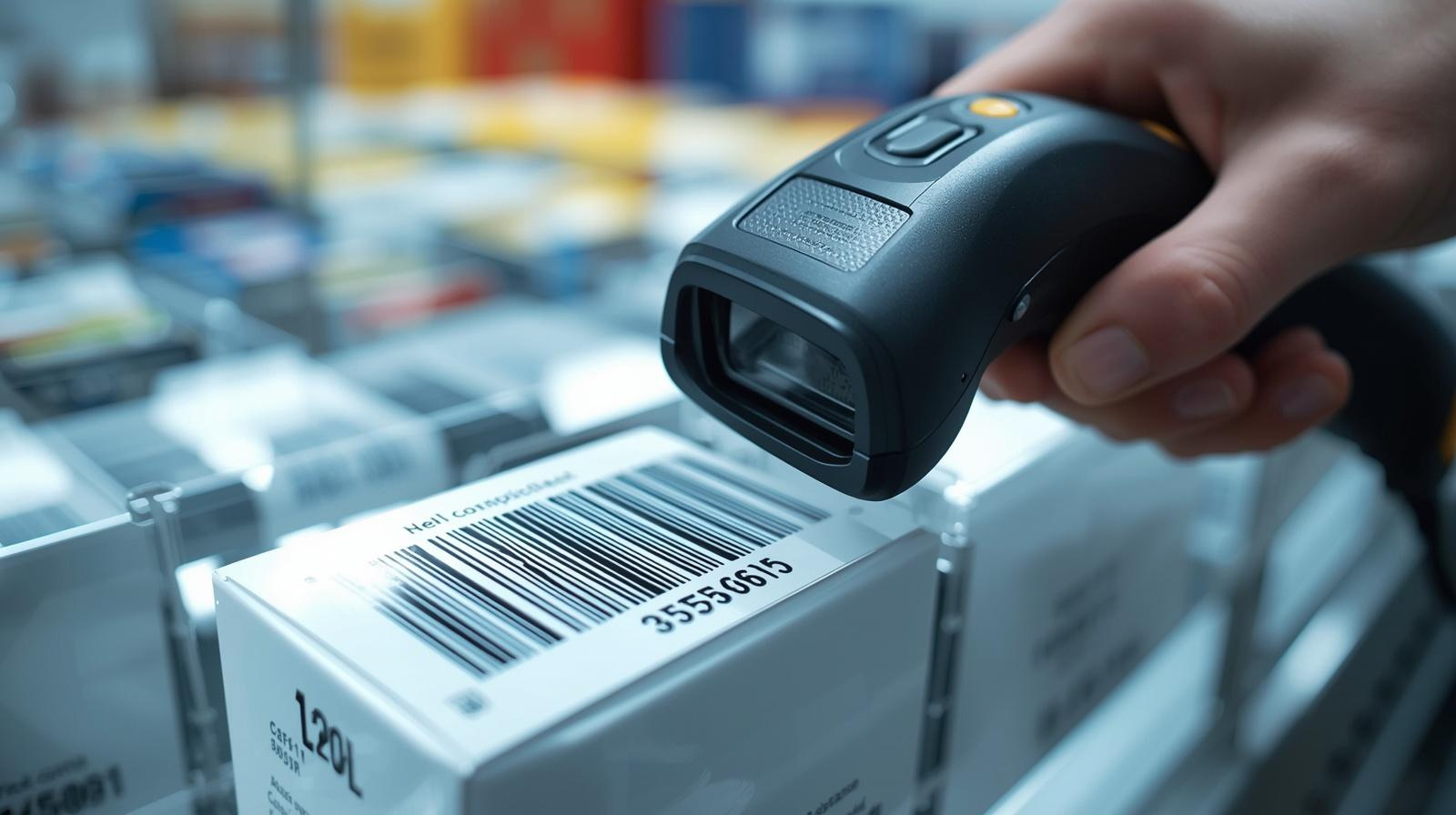
Barcode-based verification
Scan products to reduce errors and improve accuracy.

Consistent inventory across locations
Keep stock levels accurate across multiple storage areas.

Reduced repetitive manual reconciliation
Minimize mistakes by updating stock inventory automatically in real time.

Operational visibility
Managers can monitor warehouse activity, not just financial records.
The Strategic Difference Between Accounting Inventory and WMS
Understanding the difference between accounting inventory systems and warehouse management systems is essential for growing SMEs. The Autocount Stock Module is primarily designed for financial integration rather than warehouse execution. Its main role is to ensure inventory values align with accounting records and financial reporting requirements.
Accounting modules focus on recording transactions and maintaining accurate stock valuation. Warehouse management systems, however, focus on controlling physical inventory movement in real time. As operations become more complex, businesses begin to realize that recording inventory changes is not the same as managing warehouse processes.
This distinction explains why many SMEs eventually reach a transition point. While accounting inventory modules work well during early stages, growing warehouse operations require systems that guide staff activities and workflows. PayRecon WMS fills this gap by providing a purpose-built warehouse management system designed specifically for SME warehouse operations.
The Growth Stage Where Warehouse Systems Become Necessary
As businesses grow, warehouse operations usually become more complex. At the early stage, accounting inventory tools such as the Autocount Stock Module may still work because stock movement is simple and order volume is low. However, growth introduces new operational pressure, and many SMEs begin realizing that warehouse management requires a more structured system.
Common signs that businesses are reaching this stage include:
Higher Order Volume
As ecommerce and marketplace sales increase, warehouses must process more orders daily. Manual coordination and accounting-based inventory tools start slowing down fulfillment.
More Complex Inventory Movement
Businesses begin handling more SKUs, multiple product variations, and different stock locations. Managing these movements manually becomes difficult and increases the risk of stock errors.
Operational Pressure on Warehouse Teams
Warehouse staff need real-time visibility to pick, pack, and dispatch items efficiently. Accounting systems usually update stock after transactions, not during operations.
Need for Structured Warehouse Control
At this stage, many SMEs start evaluating dedicated warehouse platforms. Systems like PayRecon WMS help manage real-time inventory movement and structured workflows without enterprise-level complexity.
Higher Order Volume
More Complex Inventory Movement
Operational Pressure on Warehouse Teams
Need for Structured Warehouse Control
Conclusion
The Autocount Stock Module remains a practical accounting-based inventory solution for many SMEs. It supports stock in stock out tracking, batch tracking, and stock reporting within a financial management environment. For businesses with simple inventory structures and lower transaction volumes, this approach can remain effective for maintaining accounting accuracy.
However, warehouse operations require a different operational structure once businesses scale. Accounting systems record inventory results, while warehouse platforms control inventory movement. SMEs that recognize this difference often evaluate purpose-built solutions like PayRecon WMS, allowing accounting software to handle financial records while warehouse systems manage real-time operational workflows.